

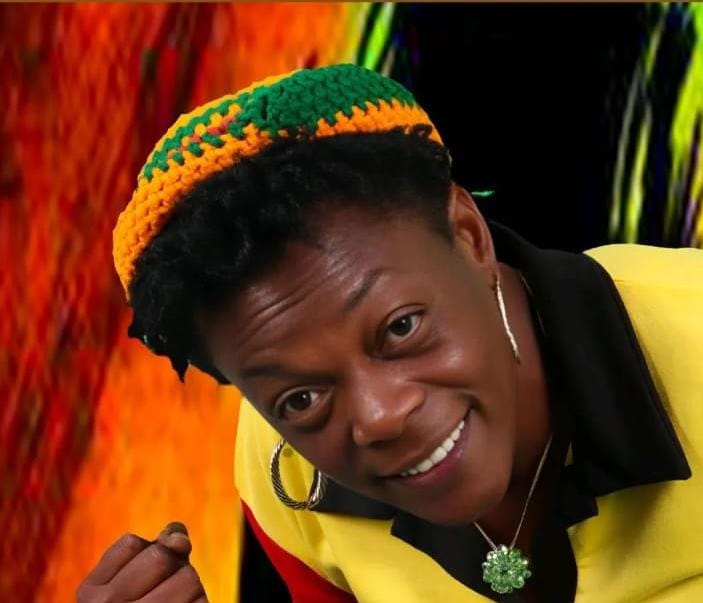
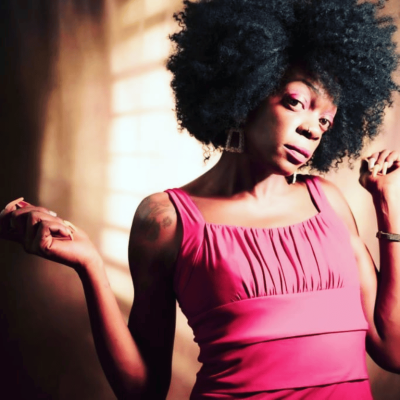
In a genre built on individuality, conviction, and the power of the message, Kerry Lopez brings a personality all her own. From confronting violence to celebrating fatherhood, the Jamaican singer is making music that reflects the realities of life — without losing sight of who she is.
There is something refreshing about an artist who doesn’t seem interested in being anybody else. No borrowed personality. No obvious attempt to fit into a mould. Just an individual bringing her own energy, mannerisms, lyrical expression, and perspective to the music. That is part of what makes Kerry Lopez such an interesting presence in reggae.
In a business where artists are often encouraged to follow what is working for somebody else, Lopez stands out for the individuality she brings to her craft. Her style is her own, her delivery has character, and her music speaks to subjects that reach beyond the dance. She is not simply concerned with making a song sound good. She wants it to say something.
Born Kerry-Ann Lopez, the singer hails from Chudleigh in Manchester, Jamaica. According to a 2023 profile published by The Edge FM and republished from the Jamaica Observer, she began recording in 2005. Over the years, her work has gravitated towards social commentary and the experiences that shape people’s lives. Two songs, in particular, offer a glimpse into that side of her artistry: Violence Fi Cease and Dearest Daddy.
The first addresses a problem that has troubled Jamaica for generations. The second celebrates fathers who make a positive difference in the lives of their children. Different subjects, different emotional territory, but both reflect an artist who understands that music can be used to communicate something meaningful.
With Violence Fi Cease, Lopez takes on the painful reality of violence and the cycle of hostility that can turn small confrontations into devastating consequences. Produced by Adrian Clarke and released in 2020, the song arrived during the COVID-19 pandemic, when, according to Lopez, it did not receive the promotion it needed. Yet the message remains relevant.
Speaking to the Jamaica Observer in 2023, she observed that small acts of violation can lead to bigger acts of violence. She also raised concerns about the pressures facing children and the need for proper guidance and supervision. Her comments reveal the thinking behind the music: violence is not simply something to condemn after the damage has been done. It is something society must work to prevent.
That is where conscious reggae continues to matter. At its best, it makes people look beyond the immediate circumstances and consider the attitudes, behaviours, and social conditions that contribute to the problems around them. Lopez’s song belongs to that tradition of using music to encourage reflection rather than simply describing the chaos.
But it would be a mistake to define her entirely by the weight of her social commentary. Dearest Daddy brings a different kind of feeling to the table. Written by Lopez and produced by Adrian Clarke for Muzik House Productions, the song pays tribute to fathers who play a positive role in their children’s lives.
Fatherhood is often discussed through the pain of absence and broken relationships. Celebrating the men who show up, provide guidance, and offer their children love and stability is equally important. By turning her attention to that subject, Lopez recognises a contribution that deserves appreciation. It is a reminder that conscious music need not always confront society with its failures; sometimes, it can acknowledge what people are doing right.
And perhaps that contrast says something about Lopez herself. Her musical interests are not confined to a single emotion or subject. She can turn her attention to a national problem, then explore the personal relationships that shape everyday life. The common thread is the message and the conviction behind it.
Her catalogue also includes Unknown and True Intention, highlighted in the 2023 profile, as well as other releases listed on music platforms. There is room for listeners to explore her work beyond the two songs that most clearly illustrate her socially conscious side.
What makes Kerry Lopez worth paying attention to, however, goes beyond a list of recordings. It is the combination of individuality and purpose. Her personality is part of her artistry, not something that needs to be polished away to make her more conventional. In a musical culture as rich and varied as reggae, that kind of character matters.
Originality is an easy word to use when describing an artist, but genuine individuality is harder to manufacture. It comes through in how an artist approaches a song, how they communicate a thought, and whether their work feels like an expression of their own perspective rather than an imitation of somebody else’s success. Lopez’s appeal lies in that sense of personal identity, coupled with a willingness to address subjects that matter.
Of course, meaningful music deserves more than occasional recognition. It needs listeners, airplay, conversation, and opportunities to reach people who may never otherwise encounter it. Artists working outside the industry’s most visible circles can have something important to contribute without receiving the attention their work merits.
Kerry Lopez deserves to be heard on her own terms. Not because she needs to be declared the next version of an established reggae star, but because she has her own personality, her own concerns, and her own way of approaching the music.
In Violence Fi Cease, she calls attention to the human cost of hostility. In Dearest Daddy, she offers appreciation for positive fatherhood. Between those messages is an artist who understands that music can reflect both the struggles we face and the values worth preserving.
Reggae has always made space for voices that challenge, comfort, provoke, and inspire. Kerry Lopez brings her own voice to that continuing conversation. And in an industry where standing apart can be just as important as fitting in, perhaps her most compelling quality is that she is determined to be Kerry Lopez — nothing more, nothing less.
Research reference: The Edge FM / Jamaica Observer — Kerry Lopez says Violence Fi Cease. Additional music listing: Dearest Daddy on SoundCloud.